For clinical trials
Regulatory Support
Build a clear case for your digital measures.
BioSensics works with pharmaceutical sponsors to prepare the scientific and technical evidence supporting digital measures and endpoints. From defining the proposed use to documenting measurement performance, we organize the evidence and rationale for informed regulatory discussions.
Digital measures advancing through the FDA ISTAND program
FDA has accepted the Letter of Intent for LEGSys-derived foot drop measures into the FDA ISTAND program. The proposed use is to track outcomes over time in adults with CMT1A using measures collected during the 6-Minute Walk Test. FDA has accepted PAMSys into the FDA ISTAND program as a drug development tool for measuring ambulation in progressive supranuclear palsy (PSP) clinical trials. The Letter of Intent for BioDigit Speech measures in PSP has been accepted for review.
Connect the measure, the evidence, and the intended use
Effective regulatory preparation starts with a clear intended use. BioSensics collaborates with your clinical, scientific, and regulatory teams to define what a digital measure is intended to assess, review the available evidence, and identify the research and documentation needed for the next program milestone.
What your team receives
Agree on the materials needed for your next milestone, with clear responsibilities for preparation, review, and submission.
-
Intended-use and evidence summary
A concise account of the proposed measure, study population, endpoint role, supporting findings, and remaining evidence needs.
-
Technical documentation package
Organized descriptions of the selected technology, assessment workflows, measurement methods, and relevant performance evaluations.
-
Scientific briefing materials
Draft scientific questions, evidence summaries, and technical explanations for sponsor review and use in agency discussions.
-
Evidence and response plan
A plan for addressing evidence gaps, conducting follow-up analyses, and responding to questions about the proposed measures.
Support for digital measures and endpoints
Scientific and technical activities are tailored to the selected assessments, development stage, and sponsor's regulatory strategy.
-
Intended use and endpoint rationale
Define the concept being measured, target population, assessment setting, and proposed endpoint role. Connect the choice of measure to the clinical question and the outcomes relevant to the study.
-
Evidence review and gap assessment
Review available studies, analyses, and technical documentation. Identify where evidence supports the proposed use and where additional research, analysis, or documentation is needed for the sponsor's program.
-
Measurement and technology documentation
Organize descriptions of devices, software, algorithms, assessment workflows, and measurement performance. Summarize the applicable verification, validation, and usability evidence for the technology configuration and population proposed for the study.
-
Support for agency discussions
Help sponsors frame scientific questions and prepare supporting summaries for agency interactions. Develop technical explanations and responses to questions about the selected digital measures, data collection, and supporting evidence.
-
Data collection and analysis rationale
Document assessment schedules, measure derivation, data quality rules, and analysis methods. Explain how collection and processing decisions support interpretation, with limitations and missing-data considerations addressed in the study context.
-
Qualification pathway support
Assess whether a drug development tool qualification pathway is relevant to the proposed use. Where appropriate, support the scientific rationale, evidence planning, and technical documentation for the selected pathway.
Choose the pathway that fits the intended use
The proposed measure, development objectives, and available evidence guide the approach.
-
Use within a sponsor program
Plan the evidence and technical rationale for the proposed measure in a specific clinical development program. Support sponsor-led discussions about the population, study setting, and role of the endpoint.
-
Qualification for a defined use
Consider a formal drug development tool qualification pathway when broader use across programs is relevant. Build the scientific rationale and evidence plan around a specified context of use.
Formal FDA qualification is a voluntary pathway. It is not a prerequisite for considering a tool within an individual drug development program. About FDA qualification.
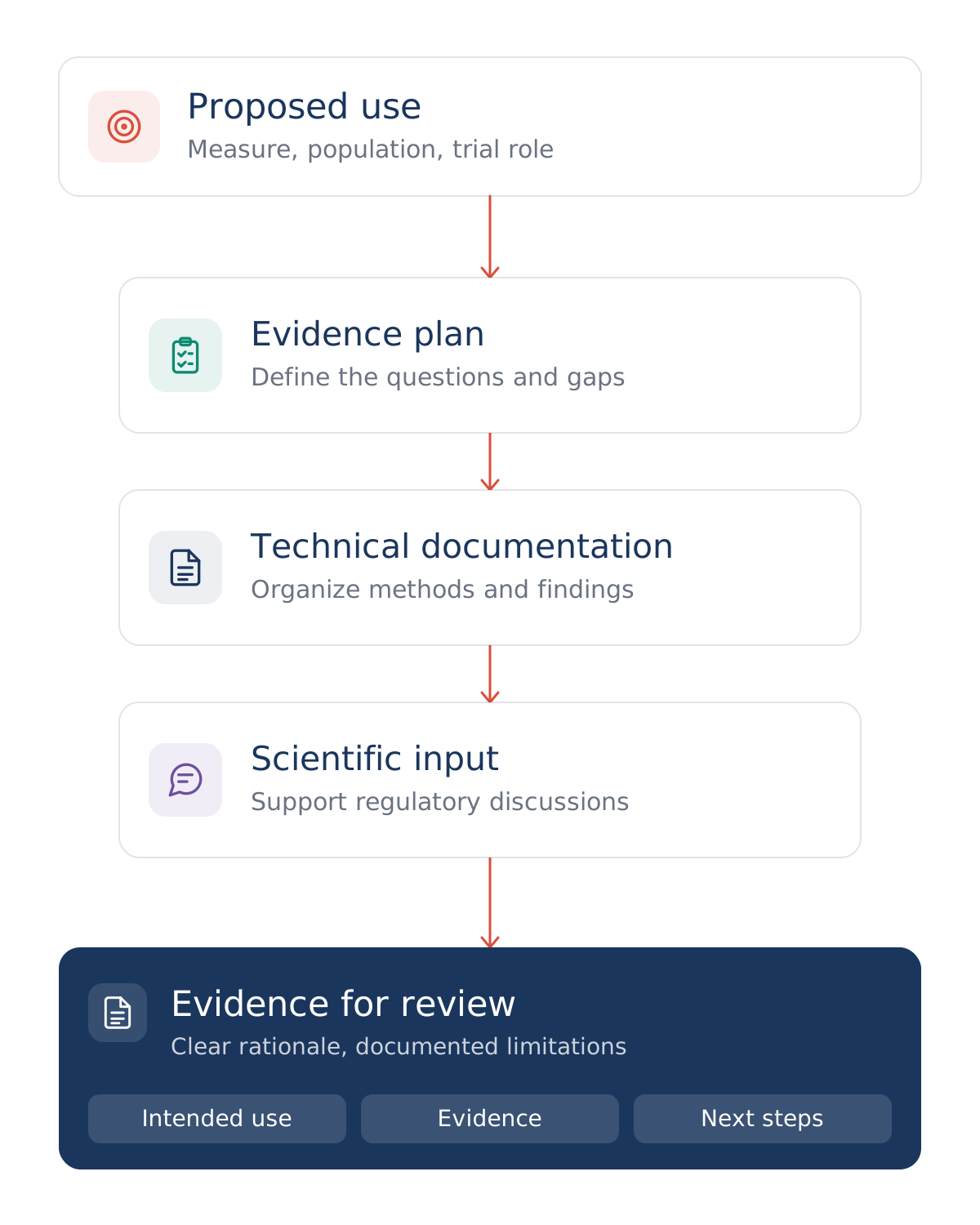
From a proposed measure to a documented rationale
Coordinate scientific work with the sponsor's development objectives and regulatory milestones.
-
Define the question
Confirm the proposed endpoint, population, study setting, and milestone. Agree on the scientific questions and the scope of BioSensics' support.
-
Review the evidence
Evaluate existing research and technology documentation. Identify the additional analyses, studies, or explanations needed to support the proposed use.
-
Prepare the materials
Develop the agreed evidence summaries, technical descriptions, and briefing content with the sponsor's clinical, scientific, and regulatory teams.
-
Address feedback and next steps
Support scientific responses to feedback, update the evidence plan, and identify follow-up work for the next development decision.
Planning regulatory support for your program
Key questions about scope, evidence, documentation, and coordination with your team.
What does Regulatory Support cover?
The service focuses on the scientific and technical aspects of using digital measures and endpoints in clinical development. The agreed scope can include evidence review, documentation, preparation for sponsor-led agency discussions, and support for relevant qualification activities. It is tailored to the technology, indication, and development objective.
Is formal qualification required to use a digital measure in a trial?
Formal FDA qualification is not a prerequisite for using a drug development tool in an individual development program. The proposed use can be considered within that program's regulatory review. Qualification is a separate pathway for a specified context of use that may extend across programs. The sponsor's objectives help determine the appropriate approach. Read the FDA overview.
What evidence may be needed for a digital measure?
The evidence depends on the intended use and study population. Relevant information may include measurement performance, usability, clinical relevance, and the rationale for collection and analysis methods. BioSensics helps organize the available information and identify additional work with the sponsor's team. FDA guidance on digital health technologies.
How does BioSensics work with the sponsor's regulatory team?
BioSensics contributes scientific and technical materials within the agreed scope. The sponsor's regulatory team leads the overall regulatory strategy, agency communications, and submissions. Responsibilities, review processes, and timelines are established together at the start of the engagement.
How does this service connect with Endpoint Development and Data Analysis?
Endpoint Development generates and evaluates candidate measures through research. Data Analysis and Scientific Reporting documents methods and findings. Regulatory Support brings the relevant evidence and technical rationale together for the proposed use and the sponsor's next regulatory discussion. These activities can proceed in parallel as the program evolves.
Connect your research with the right support
Coordinate endpoint development, regulatory support, study operations, analysis, and post-approval research around your program's objectives.
-
Endpoint Development
Develop candidate endpoints through natural history studies and focused BioDigit Database analyses for the indication of interest.
-
Clinical Trial Operations
Configure and deploy digital assessments, support data collection, and deliver study data within the agreed operating plan.
-
Data Analysis and Scientific Reporting
Turn study data into documented analyses, clear findings, and scientific reports for your program.
-
Post-Approval Evidence Generation
Design and conduct post-approval studies to characterize outcomes during treatment with approved therapies.
Plan the evidence for your next regulatory discussion
Share your indication, proposed digital measures, and next development milestone. BioSensics can work with your team to define the scientific and technical support your program needs.