For clinical trials
Data Analysis and Scientific Reporting
Turn study data into clear scientific findings.
BioSensics works with pharmaceutical sponsors to analyze digital and clinical study data and communicate what the results mean for their programs. From signal processing and measure derivation to statistical analysis and reporting, we connect your research questions with documented methods, interpretable results, and clear next steps.
Analysis grounded in your study objectives
Connect wearable, speech, video, clinical, and participant-reported data to the questions that matter for your program. Biological biomarker data can be included when available and relevant to the analysis.
A scientific partner for your data
BioSensics brings together signal processing, statistical modeling, algorithm development, and scientific interpretation. The service can support an existing dataset or form part of a broader study, with the analysis scope defined around your research questions, available data, and intended use of the findings. Clear methods and transparent reporting help your team evaluate the findings and plan the next development step.
What your team receives
Outputs are agreed at the start of the engagement and tailored to the research questions, data sources, and reporting needs.
-
Documented analysis plan
A clear account of the objectives, analysis populations, measure definitions, methods, quality criteria, and planned sensitivity analyses.
-
Analysis datasets and documentation
Agreed datasets, derivation descriptions, data quality summaries, and processing records that support review and reproduction of the analyses.
-
Figures, tables, and findings
Results organized around the study objectives, with estimates, uncertainty, appropriate comparisons, and clear explanations of the main findings.
-
Scientific report and next steps
A structured report connecting results with the study questions, limitations, and implications for further analysis or research, with additional communication materials as agreed.
From collected data to scientific interpretation
Define the analysis around your study design, measures, and the decisions your team needs to make.
-
Analysis planning
Translate study objectives into defined analysis questions, populations, measures, and time points. Agree on methods, data quality rules, and approaches to missing data, while distinguishing planned analyses from exploratory work.
-
Data preparation and quality review
Review completeness, usability, and consistency across the available sources. Align participant records and assessment windows, document exclusions and quality flags, and prepare datasets for the agreed analyses.
-
Signal processing and measure derivation
Process sensor and digital assessment data into defined measures. Document the algorithms, processing versions, and derivation rules used, with algorithm development or refinement included when relevant to the research question.
-
Statistical and longitudinal analysis
Examine distributions, variability, group differences, and change over time. Select methods that reflect the study design and repeated assessments, and report the uncertainty and assumptions that affect interpretation.
-
Relationships across measures
Explore how digital measures relate to clinical assessments, participant reports, and selected biological biomarkers. Statistical modeling and machine learning may support focused questions, with model evaluation and interpretation matched to the available data.
-
Scientific reporting and communication
Develop clear figures, tables, and reports that connect methods with findings. Support the technical content of sponsor presentations and scientific manuscripts, with limitations and the status of exploratory analyses made explicit.
Bring complementary data into one analysis
The analysis plan reflects the sources available for the study, how they were collected, and the questions they can support.
-
Wearable and digital assessments
Analyze movement, activity, speech, video, cognitive, and motor assessments using documented measures and quality criteria appropriate to each data source.
-
Clinical and participant-reported outcomes
Connect digital findings with clinical assessments, reported symptoms, daily function, and quality of life, using relevant assessment windows and interpretable comparisons.
-
Biological biomarker data
Include selected biological measures, such as blood biomarkers, when available and relevant. Consider sample timing, measurement methods, and completeness when interpreting relationships with other outcomes.
-
Existing and newly collected data
Work with agreed study datasets or relevant BioDigit Database data. Assess the relevance of the population, available measures, follow-up, and permitted use before defining the analysis scope.
From the research question to a clear report
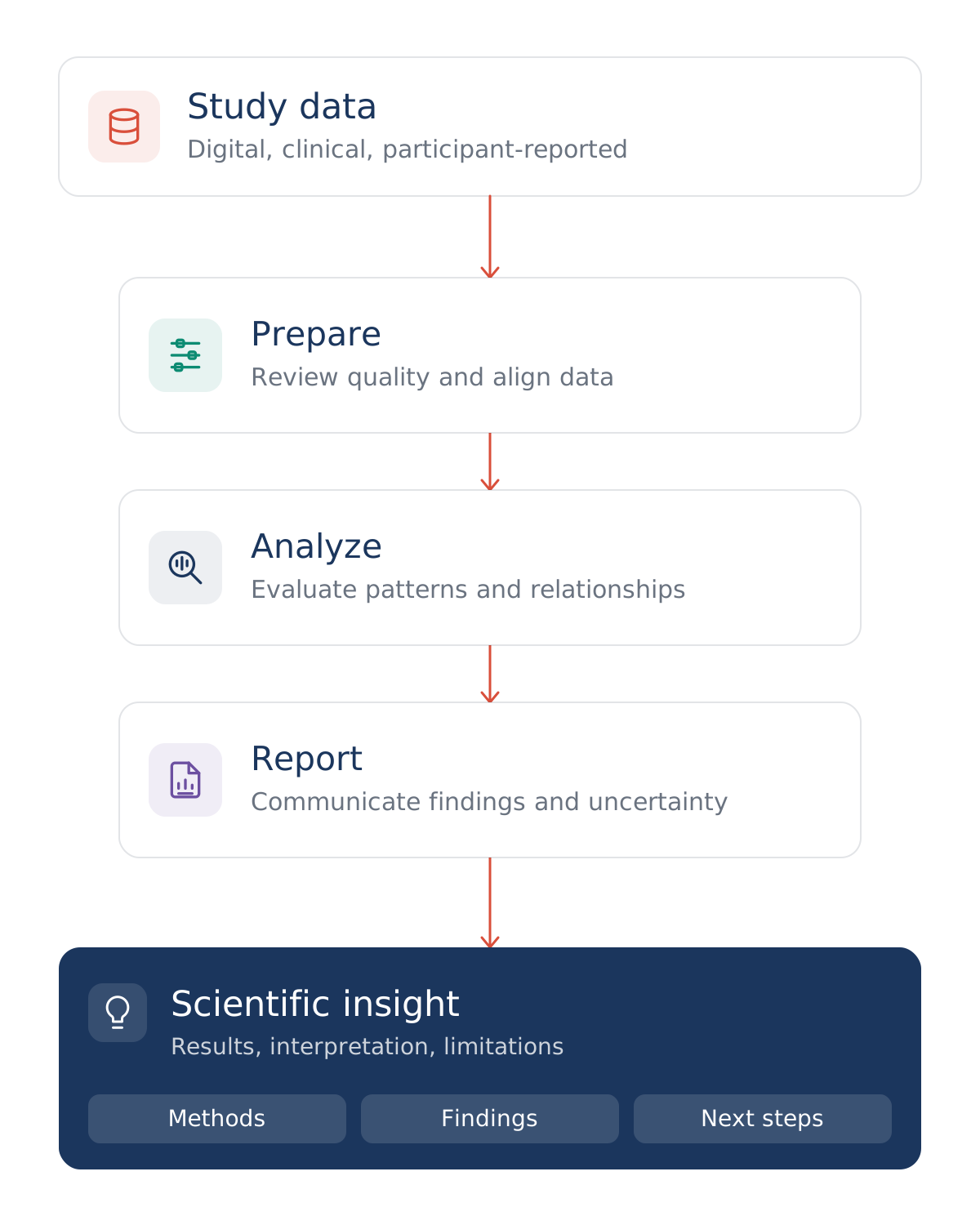
Agree on the objectives, review the data, conduct the analyses, and communicate findings in the context of the study design.
-
Define the questions
Confirm the study objectives, intended use of the findings, available data, analysis scope, and deliverables with the sponsor team.
-
Review and prepare the data
Assess quality and completeness, align the relevant data sources, and document measure derivations, analysis populations, and processing decisions.
-
Analyze and interpret
Apply the agreed methods, evaluate uncertainty and sensitivity to key assumptions, and interpret results in light of the design and available evidence.
-
Report and plan next steps
Deliver the agreed datasets, figures, tables, and scientific reports. Discuss the findings, limitations, and questions that warrant further analysis or research.
Planning your analysis and reporting
Key questions about data sources, study interpretation, and the scope of a scientific analysis engagement.
Can BioSensics analyze an existing dataset?
The service can be scoped as a standalone engagement or integrated with a BioSensics-supported study. Before work begins, the team reviews the data structure, collection methods, permissions, quality, and documentation to establish which questions and deliverables the dataset can support.
What types of data can be included?
The scope can include wearable and digital assessments, clinical outcomes, and participant-reported data. Selected biological biomarkers, including blood biomarkers, can be incorporated when available and relevant. Combining sources depends on compatible participant identifiers, assessment timing, data quality, and permitted use.
How are missing data and variability addressed?
Data completeness and usability are reviewed before the main analyses. The plan defines how missing or unusable observations are handled, alongside relevant quality thresholds and sensitivity analyses. Reports describe the extent of missing data and how it may affect the findings.
Can observational analyses establish treatment efficacy?
Observational analyses can characterize outcomes during treatment and examine patterns of response. Interpretation considers confounding, selection effects, missing data, and other design limitations. Any conclusion about a treatment effect must be supported by the study design, comparisons, assumptions, and results.
How does this service connect with the other BioSensics services?
Endpoint Development identifies and develops candidate measures. Post-Approval Evidence Generation conducts research on outcomes with approved therapies, while Clinical Trial Operations supports assessment deployment and data collection. Data Analysis and Scientific Reporting provides the analytical methods, interpretation, and reporting for those studies or an agreed existing dataset. Regulatory Support helps connect relevant evidence and documentation with the proposed use of digital measures.
Connect your research with the right support
Coordinate endpoint development, regulatory support, study operations, analysis, and post-approval research around your program's objectives.
-
Endpoint Development
Develop candidate endpoints through natural history studies and focused BioDigit Database analyses for the indication of interest.
-
Regulatory Support
Organize scientific and technical evidence to support sponsor discussions about the intended use of digital measures and endpoints.
-
Clinical Trial Operations
Configure and deploy digital assessments, support data collection, and deliver study data within the agreed operating plan.
-
Post-Approval Evidence Generation
Design and conduct post-approval studies to characterize outcomes during treatment with approved therapies.
Define the analysis your program needs next
Share your research questions, available data, and reporting goals. BioSensics can work with your team to define the methods and deliverables needed to interpret the results and inform the next step.